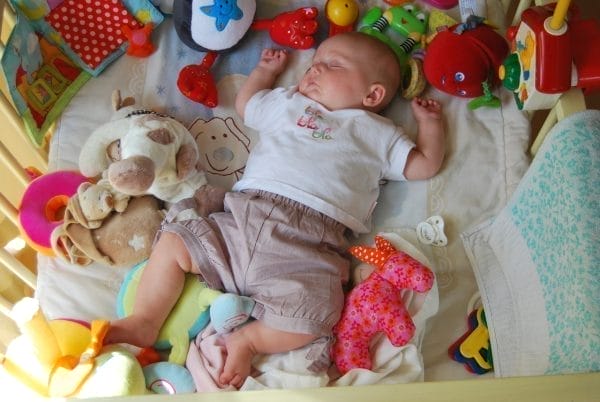
The 7-month sleep regression can feel stressful for many parents. One week your little one sleeps beautifully… and the next, nights are full of crying, multiple wakings, and unpredictable naps. If this sounds familiar, you’re not alone. This stage is a normal and temporary baby sleep regression that nearly all families experience.
This guide explains why it happens, common signs, how long it lasts, and practical steps to help your baby get better sleep.
What Is the 7-Month Sleep Regression?
The 7-month sleep regression is a developmental phase when your baby’s sleep patterns suddenly change. During this time, a baby’s brain and body go through major growth, which can disrupt their sleep schedule.
Common symptoms include:
Short naps
Increased night wakings
Trouble settling at bedtime
More crankiness
Very early morning wake-ups
Separation anxiety signs
Although challenging, this phase is actually a normal sign of development.
Causes of the 7-Month Sleep Regression
1. Rapid Skill Growth
Around seven months, babies begin learning:
Sitting without support
Advanced rolling skills
Scooting or crawling
Better fine motor skills
These skills stimulate the brain—and excitement often shows up during sleep, causing restlessness.
2. More Adult-Like Sleep Patterns
Your baby’s sleep cycles mature, meaning they wake between cycles and may struggle to resettle.
3. Separation Anxiety
Babies begin to understand that caregivers can leave the room, leading to clinginess and bedtime resistance.
4. Teething
Teething discomfort can make falling asleep harder and increase night wakings.
5. Incorrect Wake Windows
Wake windows adjust this month; if naps aren’t aligned, overtiredness worsens the regression.
How Long Does the 7-Month Sleep Regression Last?
Most babies experience the regression for 2–6 weeks, depending on development, sleep habits, and consistency of routines. Remember: it’s temporary and improvements typically come gradually.
Signs It's a Sleep Regression (Not Something Else)
Unexpected nighttime wake-ups
Nap refusal
Difficulty settling
Clinginess
Frequent partial wake-ups
New skills or teething
If symptoms last longer than 6–8 weeks or include illness signs, consult a doctor.
Ways to Make the Regression Easier
1. Age-Appropriate Wake Times
Typical 7-month wake windows:
2.25–3 hours between naps
3–3.5 hours before bedtime
Using proper wake windows prevents overtiredness and makes regressions shorter.
2. Strengthen the Bedtime Routine
A reliable evening routine tells your baby it’s time to sleep.
Try:
Warm bath
Gentle massage
Pajamas
Calm activities
Feeding
Low lighting
Lullaby or white noise
3. Encourage Independent Sleep Skills
Strategies include:
Pause before entering
Let baby resettle
Put baby down drowsy but awake
4. Optimize the Sleep Environment
Dark room
Consistent sound
20–22°C
Comfortable clothing
5. Offer Extra Comfort
Regression often pairs with separation anxiety.
Offer:
More cuddles
Gentle words
Soothing presence
6. Maintain Daytime Structure
Daytime patterns help stabilize sleep rhythms.
Focus on:
Predictable feeding times
Floor play
Fresh air
Regular naps
7. Manage Teething Discomfort
Try:
Safe chew toys
Cool washcloth
Ask doctor about relief
Example 7-Month Sleep Routine
Morning
7:00 – Wake up
9:15 – Nap 1
Midday
Midday nap between 12:30–1:00
Late Afternoon
4:30 – Optional catnap
Bedtime
Bedtime between 7–7:30 PM
Use a 3–3.5 hour wake window before bed.
Sleep Training During the 7-Month Regression
Sleep training can be done if your baby is ready.
Options include:
Pick-up/Put-down
Stay-in-room approach
Ferber
Gradual withdrawal
Avoid major changes if baby is sick or traveling.
How to Support Yourself as a Parent
Try:
Taking turns at night
Napping when baby naps
Lowering daily pressure
Mindfulness or relaxation
Leaning on support
Final Thoughts: The 7-Month Sleep Regression Is Temporary
The 7-month sleep regression is challenging, but it reflects healthy growth. With patience, strong routines, correct wake windows, and a supportive environment, your baby will return to more restful sleep.
Your baby will settle again soon.